Skip to about me
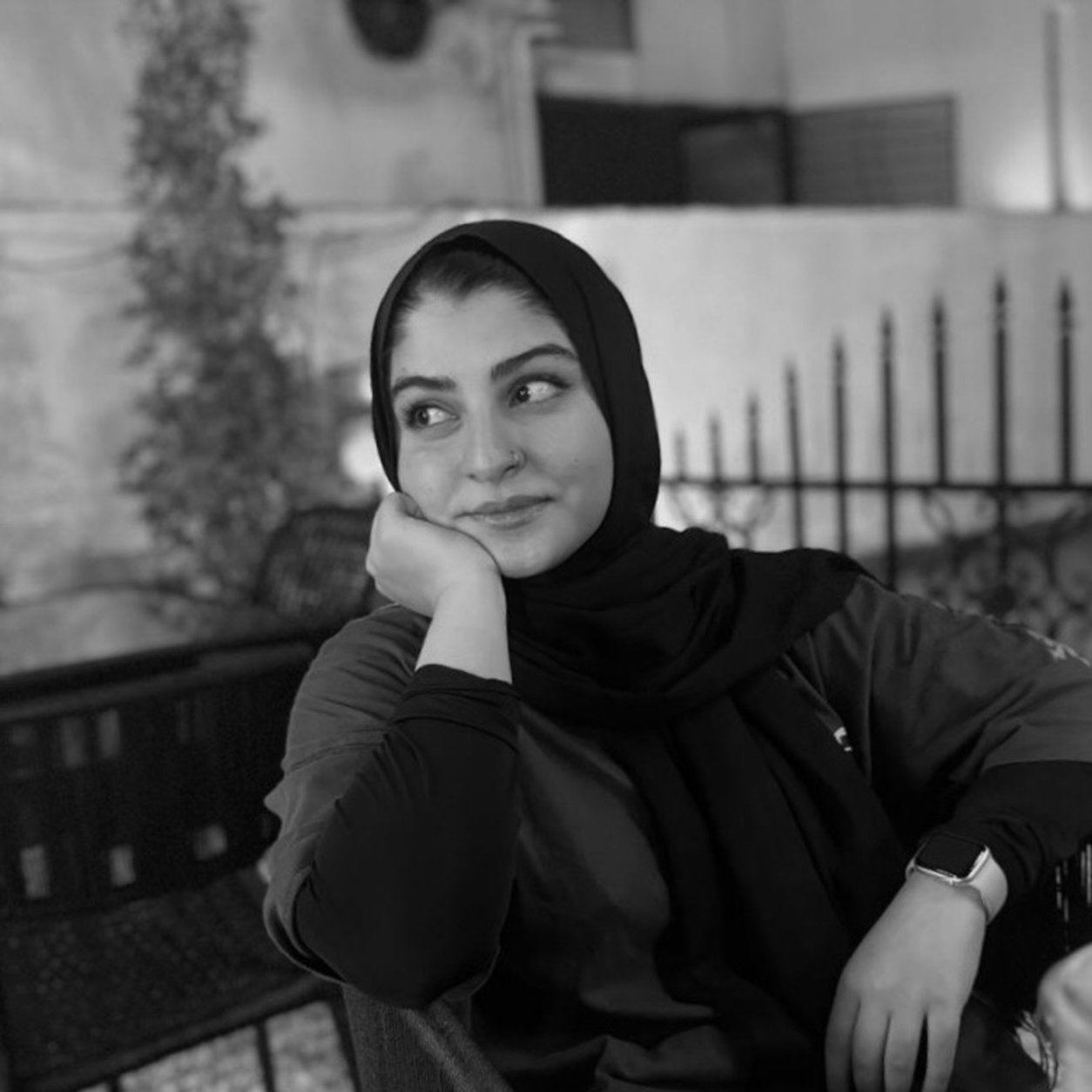
Zubda TahirA little about me

The person behind the work

Curious about people.
Careful with the details.

My path into design started with computer science in Lahore and brought me to interaction design in Vancouver. Along the way, I became interested in the things an interface can’t tell you: someone’s routine, their language, or why a task feels harder than it should.

That’s what I bring to my work, from meal planning to public health: listening closely, making sense of what I learn, and trying ideas with the people who will use them.

My background
Computer science + MDes in Interaction Design
My practice
UX research, interaction design, prototyping, and design systems

Places, people, and practice

A few stops
along the way.

From computer science in Lahore to designing everyday experiences in Vancouver.

  1. The foundation
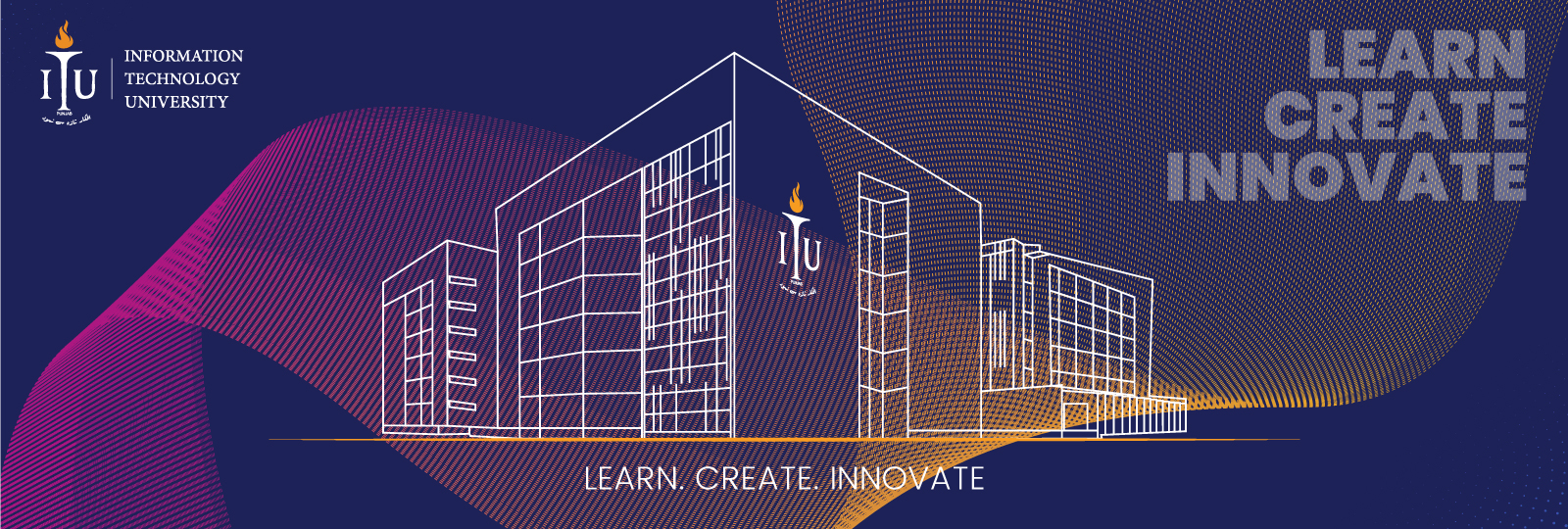
    Information Technology University
    Image: Information Technology University

    Information Technology University

    BSc Computer Science · Lahore, Pakistan

    Where my path into design began, with a foundation in computer science.
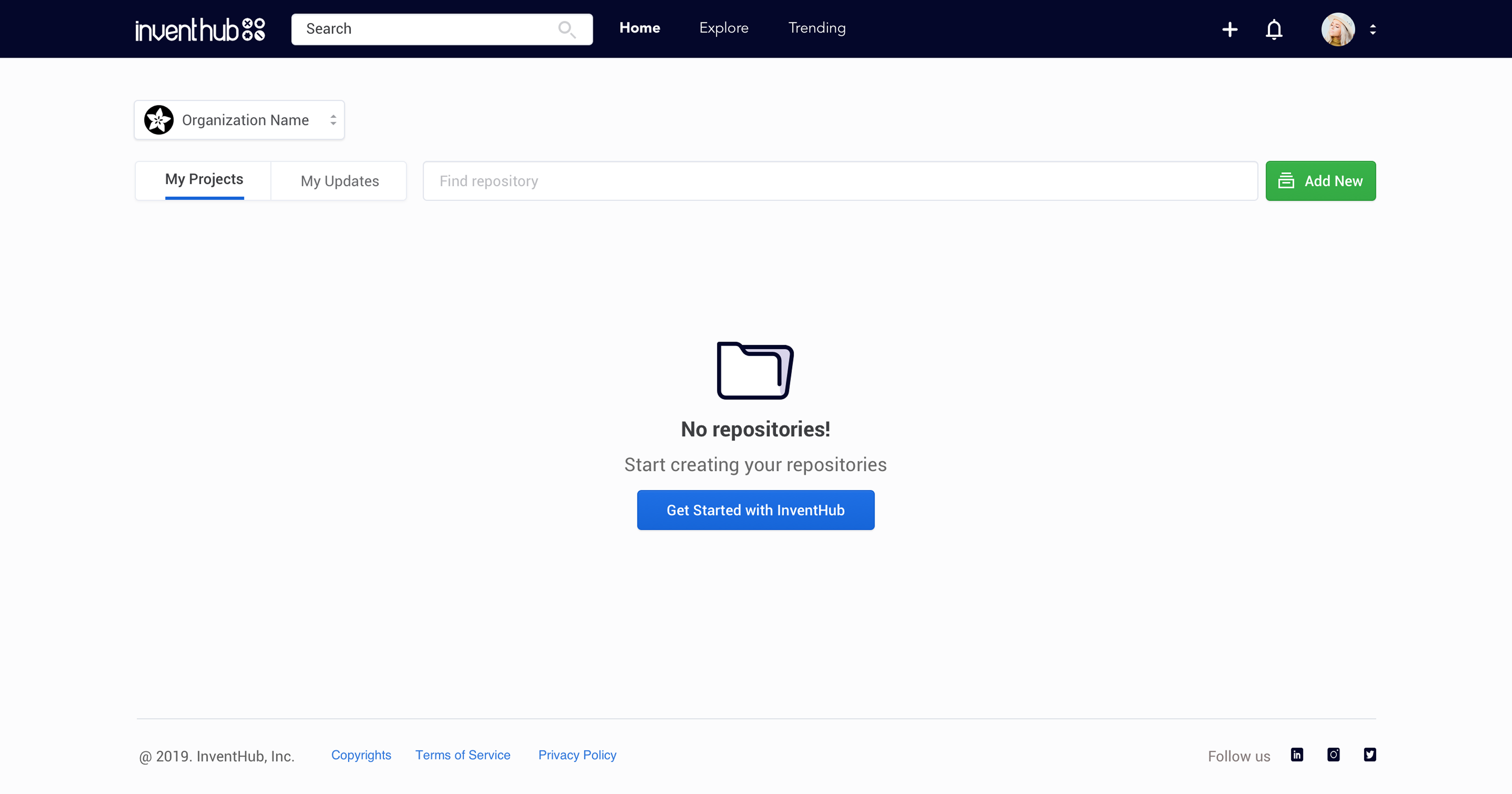
  2. 2021 · Project period
    InventHub redesigned dashboard with getting-started guidance

    InventHub

    Product design trainee

    Helping hardware teams find their first step, from an empty repository to a clearer workspace.

    Explore the work at InventHub
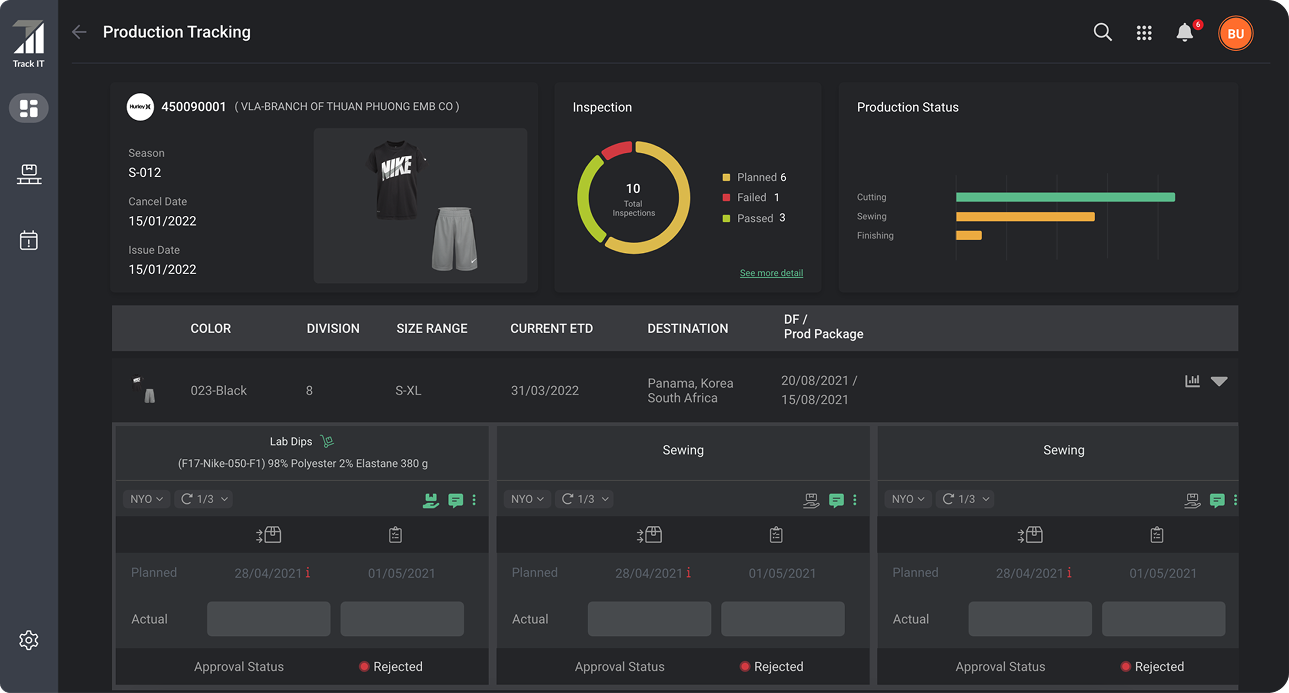
  3. 2021–24 · Project period
    TrackIT production tracking interface

    TrackIT

    Lead UX / product designer

    Turning complex procurement workflows into a system people could navigate with confidence.

    Explore the work at TrackIT
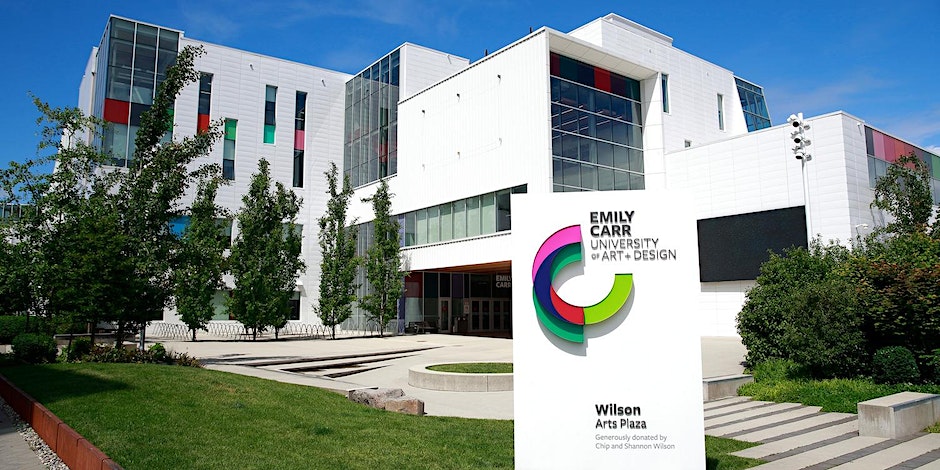
  4. Graduate study
    Emily Carr University's Vancouver campus and Wilson Arts Plaza
    Image: Emily Carr University

    Emily Carr University

    MDes in Interaction Design · Vancouver, Canada

    Bringing research, reflection, and the perspectives we design from into my practice.
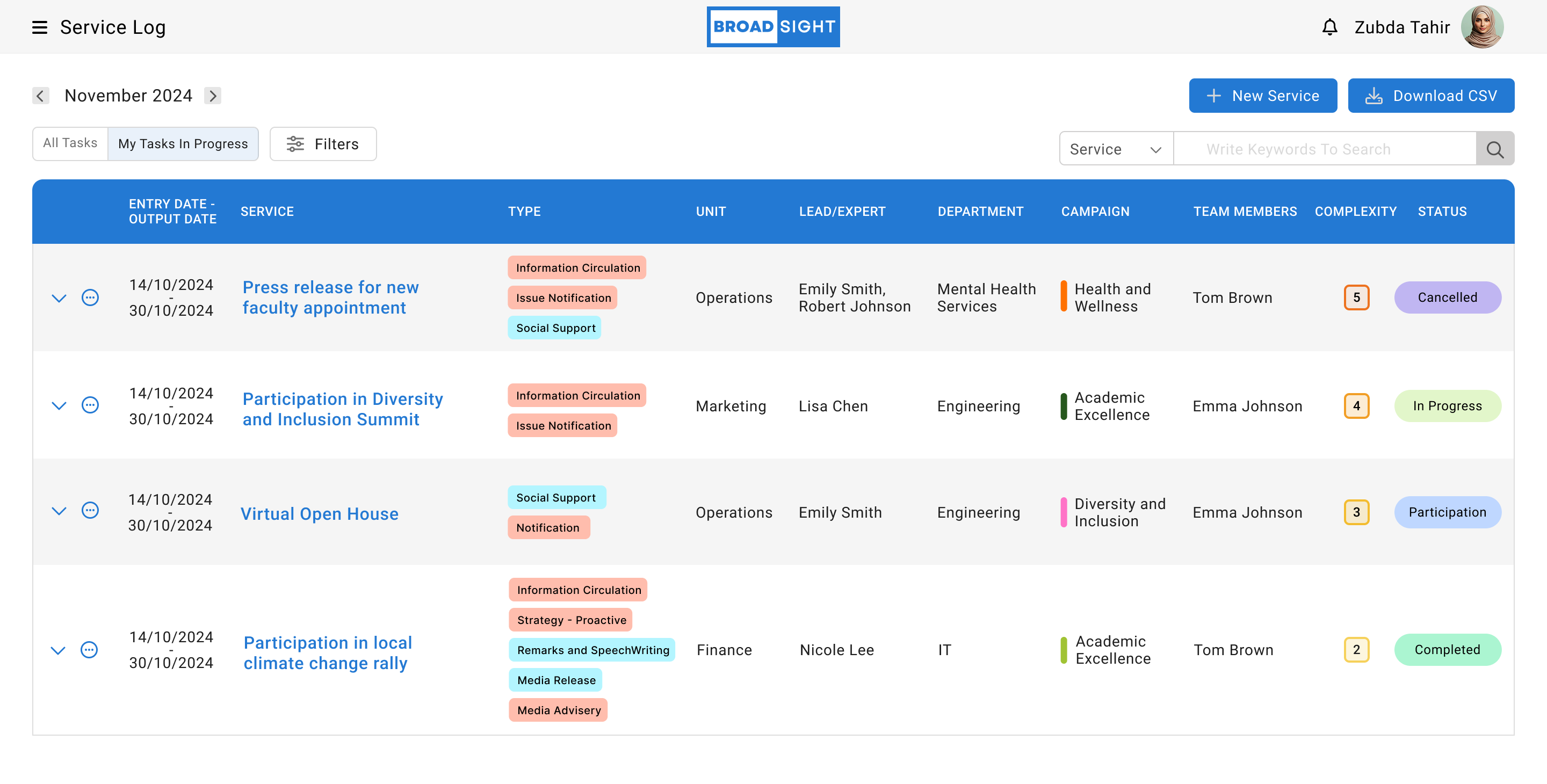
  5. 2024–present · Project period
    Broadsight redesigned service log

    Broadsight

    Product designer

    Making a busy media-relations workspace easier to scan, understand, and use.

    Explore the work at Broadsight
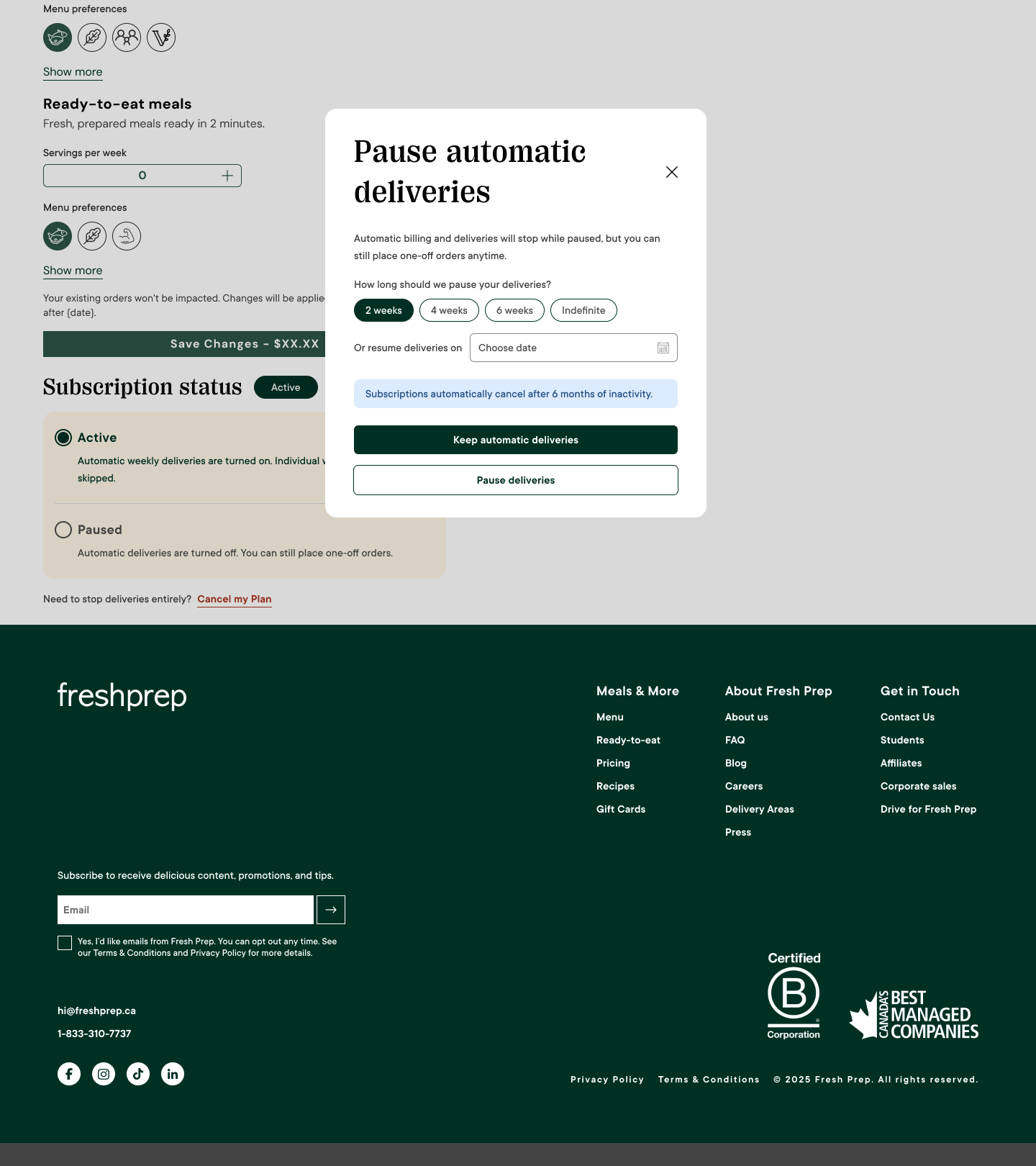
  6. 2025–present · Project period
    Fresh Prep subscription account status interface

    Fresh Prep

    Product designer

    Designing connected meal-planning and subscription experiences, with care for the decisions in between.

    Explore the work at Fresh Prep

Still curious. Still finding new directions.

What it’s like to work with me

01 / Listen

Start with real life.

I ask questions, observe the work, and make space for perspectives we might be missing.

02 / Make

Make ideas tangible.

I use flows and prototypes to help a team explore options and talk through the tradeoffs.

03 / Learn

Stay open to being wrong.

I test assumptions, listen to feedback, and use what we learn to make the next version better.

Learning by making

AI &
my practice.

I’m exploring how AI can make an early idea easier to discuss—and give me something tangible to question, reshape, and try again.

A practice in progress

01 / Starting a conversation

Something to react to, sooner.

I use AI to create quick mockups for initial stakeholder discussions. A visual gives us a shared starting point: what feels useful, what’s missing, and which direction is worth exploring.

The mockup opens the conversation. The questions and feedback help shape what comes next.

02 / This portfolio, many iterations later

Prompt. Look closer. Try again.

This website is an experiment in working with AI through prompting and a lot of iterations. I kept returning to a simple question: does this help someone understand me and my work?

When the early version felt like a product website, I changed the brief: make the recruiter’s journey clearer, bring my work forward, and let more of my personality through.

  1. Frame the intent
  2. Make a version
  3. Critique the result
  4. Refine the direction

03 / Exploring with care

Useful for the work. Mindful of the planet.

I’m trying to find a thoughtful balance: using AI where it helps me learn or communicate, while being mindful of its environmental footprint. I want to be more deliberate about when I generate, when I refine what already exists, and when a sketch or conversation is enough.

I’m still learning what responsible use looks like. For me, progress includes asking whether the next iteration is worth making.

What I’m learning: making a version is only the beginning. The design work is in noticing what needs to change—and being specific about why.